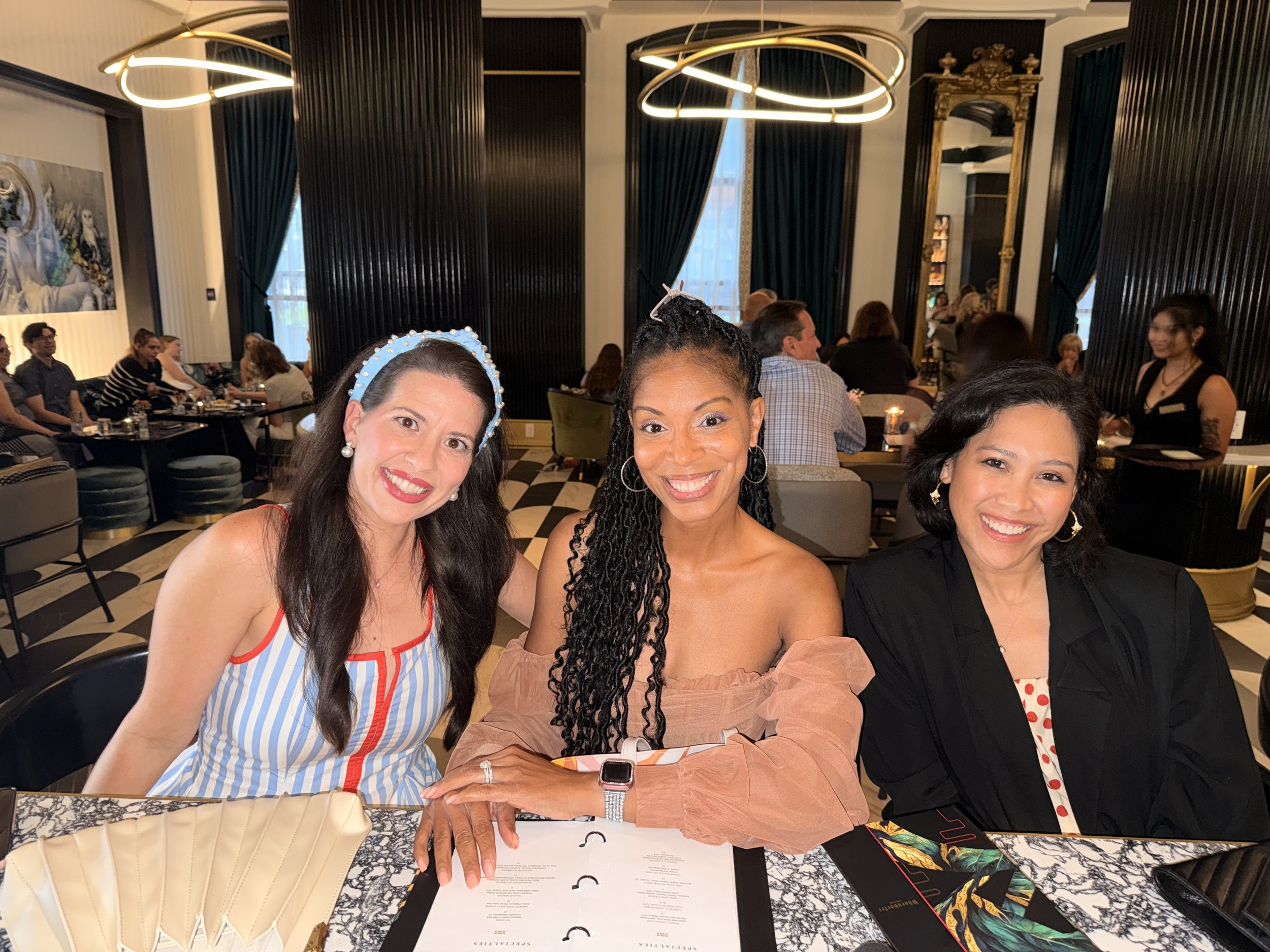

That’s My Blood

“That’s my blood” is a popular saying used as a term of solidarity, oneness, and loyalty. We use the phrase “That’s my blood” very casually.
The saying often refers to family members who share the same bloodline through parents, siblings, cousins, and other relatives. It’s the blood of their kinship that ties them together.
But when we look at blood through a biblical lens, it carries a much deeper meaning.
The First Bloodshed
In the book of Genesis, we see bloodshed introduced after both Eve and Adam ate the forbidden
fruit from the Tree of the Knowledge of Good and Evil in the Garden of Eden (Genesis 2:17; 3:6)
After their disobedience, God made garments of skin to clothe Adam and Eve. This implies that animal(s) life was taken to provide their covering. Their sin brought death into a world where death was never intended to be experienced. A life was given, and a covering was provided.
Later, in the story of Cain and Abel, the two brothers brought offerings to the Lord. Cain brought an offering from the fruit of the ground while Abel brought an offering from the firstborn of his flock. The Lord esteemed Abel and his offering, but Cain and his offering were not esteemed.
Instead of Cain surrendering his heart to God and correcting what was wrong, he became enraged and killed his brother Abel.
Abel’s blood spilled onto the earth—the same earth from which God had formed man. The ground received the blood of man, something that was never part of God’s original design.
“And the LORD said unto Cain, Where is Abel thy brother? And he said, I know not: Am I my brother's keeper?”
— Genesis 4:9 (KJV)
Cain, in his arrogance, responded, “Am I my brother’s keeper?”
Side note: That’s not the way you respond to the Creator of the world!
Blood had been shed, and the earth experienced something that was never intended to be part of its natural system.
The Blood on the Doorposts
The story of Moses going before Pharaoh to demand the release of the Hebrew slaves from bondage contains many examples of God showcasing His greatness and power before a harsh ruler.
After God sent multiple plagues upon Egypt, Pharaoh’s heart remained hardened.
Before the final plague, God told Moses that death would come upon the firstborn throughout Egypt. However, God instructed the Israelites to place the blood of a lamb on the doorposts of their homes.
The blood became a marker.
It distinguished the homes of God’s people from the others around them. Among all the different doors throughout the land, God created an indicator that identified His people.
Think about it.
All the doors may have looked the same—but which ones stood out?
The ones with the blood.
When judgment passed through the land, the blood showed who belonged to God.
The Ultimate Blood Sacrifice
The ultimate blood sacrifice came when our Lord Jesus Christ took upon Himself the penalty for sin and died on a tree for His creation.
He chose to endure that death for you and me.
When the Lord was viciously scourged, beaten, pierced, and crucified, His blood was poured out. This is the same Jesus whose wounds we look to when we declare healing and restoration through Him.
“But he was pierced for our transgressions;
he was crushed for our iniquities;
upon him was the chastisement that brought us peace,
and with his wounds we are healed.”
— Isaiah 53:5 (ESV)
Scripture also tells us:
“For the life of the flesh is in the blood: and I have given it to you upon the altar to make an atonement for your souls: for it is the blood that maketh an atonement for the soul.”
— Leviticus 17:11 (KJV)
There is power in the blood of Jesus.

Who Is Your Family?
People have no idea how powerful the phrase “That’s my blood” actually is.
In Matthew 12, while Jesus was speaking to the people, someone told Him that His mother and brothers were outside waiting to speak with Him.
Jesus responded:
“Who is my mother? and who are my brethren?”
He then pointed toward His disciples and said:
“Behold my mother and my brethren! For whosoever shall do the will of my Father which is in heaven, the same is my brother, and sister, and mother.”
— Matthew 12:48–50 (KJV)
Even though Jesus had an earthly family, He demonstrated that there was a spiritual family connected through obedience to His Father.
He did not allow earthly blood ties to supersede His commitment to the will of God.
As much as we love and honor our families, as followers of Christ, we have been adopted into a new family.
Your spiritual family may not have the same facial features.
They may not have the same skin tone.
They may not share the same ethnicity, culture, or earthly bloodline.
But they have something far greater in common:
They were all purchased by the blood of our Savior, Jesus Christ.
That’s my blood.
Sometimes, we can become so tethered to family relationships that we allow another person’s choices or disobedience to become a burden we were never called to carry. We can love our families deeply, pray for them faithfully, and still choose obedience to Christ above everything else.
Jesus modeled this.
We continue to pray for our loved ones. We continue to love them. We continue to honor them.
But most importantly, we live a life obedient to Christ.
Let our lives become living testimonies so that when people look at us, they see Jesus.
Does the Blood Show on You?
Jesus said:
“If the world hates you, know that it has hated me before it hated you. If you were of the world, the world would love you as its own; but because you are not of the world, but I chose you out of the world, therefore the world hates you.”
— John 15:18–19 (ESV)
So, what separates you as a follower of Christ from everyone else?
When death passed through Egypt, the blood on the doorposts indicated which homes belonged to God’s people.
The blood identified them.
As followers of Christ, we can put it on our Blood—the One who shed His blood for us.
So I have to ask:
Are you standing out?
Can people tell that you belong to Him?
Does the blood show on you?
We casually look at someone we love and say, “That’s my blood.”
But think about how powerful it is to know that when we accept Jesus Christ as our Lord and Savior and become part of His family, He can look at us and say:
“That’s My Blood.”
“Therefore, if anyone is in Christ, he is a new creation. The old has passed away; behold, the new has come.”
— 2 Corinthians 5:17 (ESV)
We have been made new.
We have been brought into a new family.
We have been covered by the blood.
And now, the question becomes:
When people look at your life, can they see whose blood you belong to?